

- Download our Moving to Bahrain Guide (PDF)
Expats anticipating doing business in Bahrain will find an environment that’s well acquainted with foreign influence and arguably the most progressive in the Middle East. Although more than 50 percent of Bahrain’s population is made up of foreigners, the country takes its mandate from Islam, so expats will need to familiarise themselves with appropriate customs and practices.
Fast facts
Business hours
Usually Sunday to Thursday from 8am or 9am to 5.30pm or 6pm. This can vary from company to company though, especially when it comes to multinational corporations.
Business language
Arabic is Bahrain’s official language, but English is commonly spoken and is often used in business.
Dress
Business attire is formal and conservative.
Gifts
Small gifts are acceptable. Gifts aren’t opened in the presence of the giver and are typically saved for later.
Greetings
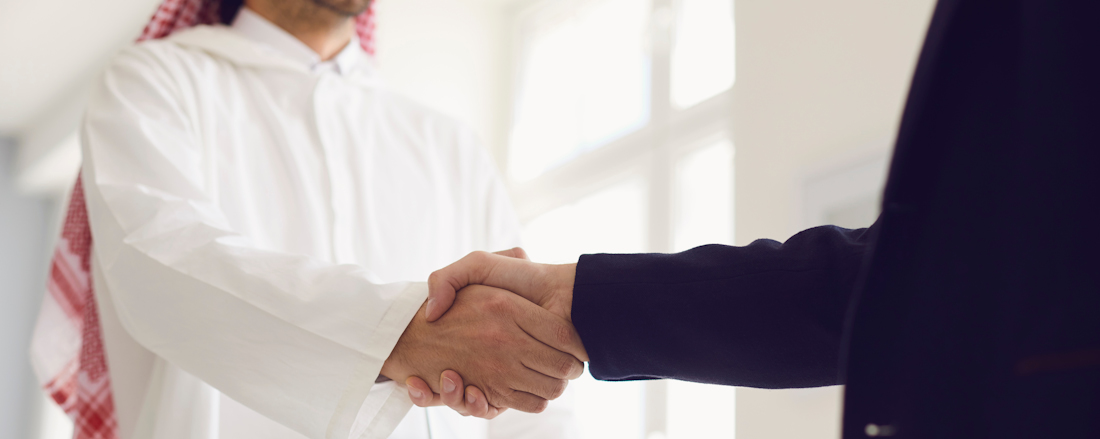
A handshake is the most common greeting. When a man greets a woman, he should wait for her to extend her hand first.
Gender equality
Men and women are treated equally in business.
Business culture in Bahrain
Personal relationships
Business moves slowly in Bahrain, and any attempt to rush it is considered improper. Similar to most Arab countries, the business culture in Bahrain is based on personal relationships.
A letter of introduction from a mutual acquaintance is a great way to facilitate meetings, as Bahrainis generally prefer doing business with people they know. It follows that initial meetings focus on building a relationship rather than hammering out details.
Business attire
Business attire in Bahrain is strictly formal. No matter how hot the weather, a suit and tie are mandatory. Women should dress modestly, keeping their arms and legs covered at all times and wearing closed-toed shoes. Local businessmen may wear Western attire or a thobe, a flowing robe seen at nearly every type of occasion.
Communication
It’s important to use formal titles when addressing local businesspeople. Business language tends to be indirect, and care is taken to save face and avoid disappointing others with flat refusals. It is considered impolite to fast-track discussions or openly contradict another person.
Dos and don’ts of business in Bahrain
- Do always wear a suit and tie
- Don’t rush into business talk
- Do arrive on time, though locals may be late
- Don’t use high-pressure sales tactics
- Do have one side of a business card translated into Arabic
- Don’t schedule meetings for July and August when many businesspeople are out of town
Expat Health Insurance
Cigna Global Health Insurance.
Medical insurance specifically designed for expats. With Cigna, you won't have to rely on foreign public health care systems, which may not meet your needs. Cigna allows you to speak to a doctor on demand, for consultations or instant advice, wherever you are in the world. They also offer full cancer care across all levels of cover, and settle the cost of treatments directly with the provider.

Moving Internationally?
International Movers. Get Quotes. Compare Prices.
Sirelo has a network of more than 500 international removal companies that can move your furniture and possessions to your new home. By filling in a form, you’ll get up to 5 quotes from recommended movers. This service is free of charge and will help you select an international moving company that suits your needs and budget.
Get your free no-obligation quotes from select removal companies now!