

- Download our Moving to Egypt Guide (PDF)
Many expats moving to Egypt do so for work, with Cairo being the country's most popular city for expats. Some companies or schools that host expats will supply accommodation in Egypt or provide an allowance as part of the agreed salary. This is something to consider negotiating into a contract if it is not already included.
Those without assistance from their employer in finding accommodation should consider hiring a real estate agent to navigate the language barrier and the local property market to find the perfect home in Egypt. Alternatively, one could go it alone, but they should ensure they bring someone along to translate if need be.
Types of accommodation in Egypt
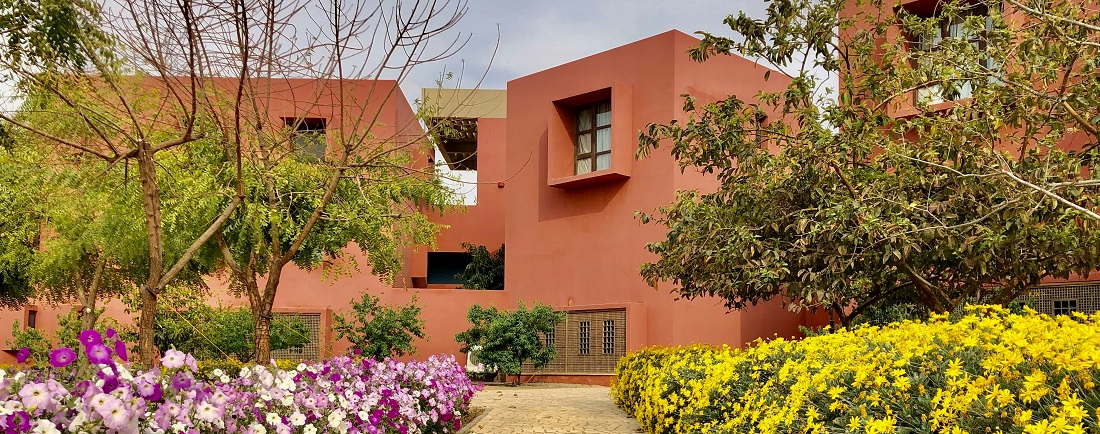
There is a range of property options for expats moving to Egypt. Most find homes in dedicated expat areas, either in the form of apartments or villas. There are also duplexes, penthouses and ground-floor apartments, which may be more suited for expats with families.
Many benefits come with living close to other expats. Having someone to ask for advice and being around others who have experienced the same challenges makes it easier to adjust to life in the country, as it's likely to be culturally different from an expat's own.
Expats tend to earn higher salaries than the local community and hence live in more affluent areas. In these areas, one can expect a wide range of amenities. There are also standalone villas available, which typically come equipped with gardens.
Furnished vs unfurnished
Most rental units in Egypt come semi-furnished or fully furnished. The most basic amenities that are available include essential kitchen appliances, such as a stove, refrigerator and oven. Some apartments may even be equipped with a microwave and dishwasher. The quality of these appliances will generally depend on the price range of the property.
Expats who will only be in the country for the short term may prefer fully furnished accommodation that includes everything from beds to utensils. The cost of fully furnished accommodation in Egypt will typically be higher. New arrivals to Egypt who would prefer to put their personal touch to their new homes can also find unfurnished accommodation in the country, and it is often advertised at lower rates than furnished housing.
Short lets
Short lets allow expats to experience daily life in a particular suburb before they decide to sign a long-term lease. Expats who will be in Egypt short-term can also benefit from short lets, as they are usually more affordable than hotels and often offer similar amenities. The cost of utilities, and sometimes cleaning services, is also frequently included in the list price, making them an attractive option.
Finding accommodation in Egypt
Egypt is a word-of-mouth society. A recommendation goes a long way and is the best way to find a good service provider. The many expat forums and blogs on the internet make it easy to get advice before even moving to Egypt.
Real estate agents vary in their resourcefulness and ability. The companies with the most employees are not necessarily the best or the most reliable. We recommend that expats ask around within the expat community for a few names and numbers of agents that have proved to be responsible and professional and stick to those. This can also help to avoid companies that are known to rip off expats.
Useful links
- Expats in Cairo is a social media community of English-speaking expats where new arrivals can find property listings.
- Expats can visit the Aqarmap website to look for rental accommodation in Egypt.
Renting accommodation in Egypt
Leases
Leases in Egypt can be anywhere between one month and a couple of years in length but are typically between one and three years. Expats should shop around to find the best deal that works for them.
It is important that expats renting property in Egypt have a proper written contract and never make a verbal agreement. Expats should insist that a contract is written in English. Reputable estate agents will ensure any Arabic documents are duly translated into English.
Expats may find that rental contracts in Egypt differ quite markedly from the standard contracts they would be accustomed to in their home country. Some rental agreements may stipulate what types of visitors the tenant is allowed to entertain and whether overnight guests are permitted.
Some landlords forbid the free mixing of men and women in their properties overnight, and there have been instances of expats finding themselves in breach of these terms unintentionally. It's therefore quite essential that expats read the contract carefully and fully understand their responsibilities and those of the landlord or agent. Expats can ask that any ambiguous elements of the contract be clarified.
Deposits
To secure a rental home, expats may be obligated to pay several months' rent upfront in addition to a deposit, which is generally at least one month's rent. Expats should therefore ensure they have sufficient funds available and should also take appropriate security precautions to avoid being scammed. Reputable estate agents can be helpful in this regard. In addition, expats should always view properties in person before making payment.
The agent and landlord may require expats to pay an agency fee equivalent to one month’s rent. Some agents do not charge this fee, but expats should find this out before using their services.
Termination of the lease
Expats who are looking to terminate their lease before its stipulated expiration date must inform their landlords of their intentions at least two months before their departure date. Tenants should take a complete inventory of the property and appliances before and after moving out. It's also recommended that they conduct a thorough inspection with their landlord to ensure that they receive their security deposit back in full.
Utilities
Utility bills are nearly always the responsibility of the tenant in Egypt and will be an additional expense on top of monthly rental costs. Be sure to enquire as to the approximate costs and keep them in mind while budgeting.
Hold on to all invoices, bills and receipts as proof that these have been paid in case it is requested by the landlord. Most rental apartments in Egypt will have all the utility services connected before expats move in, so they needn't worry about this.

Electricity
Most of the electricity in Egypt is generated using hydropower, and the Egyptian Electricity Holding Company (EEHC) is the main electricity provider in the country. Apartments will usually have a submeter, and tenants will receive a monthly bill from the government supplier. The bill is typically brought to expats by their building's doorman, known as bowwab in Arabic.
Most tenants will give their bowwab the money to make their monthly electricity payments, but this can potentially open expats up to scams, so it's essential they build a rapport with their bowwab first. Alternatively, expats can use the newly introduced Fawry e-payment system to enquire about their bills and make payments.
Gas
About 60 percent of all households in Egypt have natural gas connections. If expats do not have an existing connection, they will need to speak to their landlords before enquiring with a gas company about the possibility of installing one. There are several natural gas providers, including Egyptian Gas and Egyptian Natural Gas Holding Company (EGAS).
Expats can call either of these companies or visit a local branch to enquire. If installing a connection, expats will need to put down a deposit, and bills are sent monthly based on usage. Households without mains gas rely on gas canisters, and this is another option for expats.
Water
Most of the drinking water in Egypt is sourced from the Nile River. The Ministry of Water Resources and Irrigation manages the water supply and is working on improving water safety in Egypt. Drinking tap water is not recommended in the country, as it is heavily chlorinated.
Similarly to electricity, most expats will receive their monthly water bills from their bowwabs, and they can give them the money to make the payment. They can also use the Fawry e-payment system for their water bills.
Bins and recycling
Egypt currently lacks a centralised waste management system, and as such rubbish collection in the country is typically managed through the informal sector known as Zabbaleen. This involves informal waste collectors coming to a resident's door to collect waste weekly. These collectors will typically expect a small payment once or twice a month.
While local municipalities are formally tasked with waste management, Zabbaleen account for a large portion of waste collectors in the country. The national government has been taking steps to formalise waste collection by contracting private companies to undertake waste collection duties in some cities. Formal recycling is still in its infancy in Egypt; as such, there are few recycling programmes available in the country.
Internet
There are plenty of ways to remain connected while in Egypt, as the country is home to a fair few internet service providers (ISPs). The most popular ISPs in Egypt include Etisalat, Orange and Telecom Egypt. Expats can choose between a cellphone plan or a combined cellphone and internet plan. They will simply need to present their passports, visas and proof of address to get a contract.
Useful links
- For more on power distribution companies and registering for the Fawry e-payment system, visit the EEHC's website.
- Visit Egypt Gas to learn more about connecting natural gas and monthly payments.
- For more on Egypt's water resources and their management, check out the Ministry of Water Resources and Irrigation.
- Have a look at Orange, Telecom Egypt and Etisalat for more on internet and cellphone plans in Egypt.
Expat Health Insurance
Cigna Global Health Insurance.
Medical insurance specifically designed for expats. With Cigna, you won't have to rely on foreign public health care systems, which may not meet your needs. Cigna allows you to speak to a doctor on demand, for consultations or instant advice, wherever you are in the world. They also offer full cancer care across all levels of cover, and settle the cost of treatments directly with the provider.

Moving Internationally?
International Movers. Get Quotes. Compare Prices.
Sirelo has a network of more than 500 international removal companies that can move your furniture and possessions to your new home. By filling in a form, you’ll get up to 5 quotes from recommended movers. This service is free of charge and will help you select an international moving company that suits your needs and budget.
Get your free no-obligation quotes from select removal companies now!