

- Download our Moving to Los Angeles Guide (PDF)
Getting around Los Angeles is truly a lesson in the art of patience. This autopia is notorious for its car-centric transport infrastructure, sluggish and lengthy rush hours, congested highways, and rather painful commutes.
The unfortunate reality is that having a car in Los Angeles is a must, as the public transport system is far from comprehensive, and the city's sprawl means many areas remain inaccessible by bus and rail.
While certain neighbourhoods are pedestrian-friendly, many are not, and it won't be long before you adopt the car-crazed LA mentality, driving even the shortest distances.
Public transport in Los Angeles
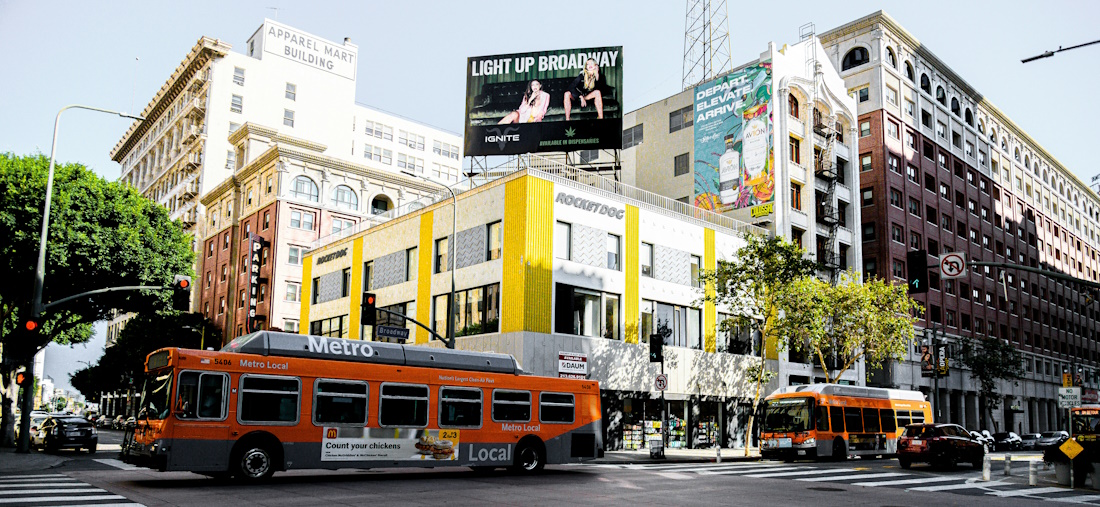
Public transport in Los Angeles has improved over recent years, but it's still greatly limited in scope and efficiency. Buses and trains are the main transit modes, with supplementary smaller shuttles operating in the downtown and Hollywood areas. You often need to combine multiple modes of public transport to reach your destination.
The Transit Access Pass (TAP) card simplifies fare payment across most of Los Angeles' public transport systems, including LA Metro, LADOT and other regional providers. By using a TAP card or the TAP app, passengers can enjoy seamless travel, reloading funds or purchasing passes as needed. The system's fare capping feature ensures cost-effectiveness, encouraging more frequent use of public transport while providing a sustainable and convenient alternative to driving.
Metro
The Los Angeles County Metropolitan Transportation Authority (Metro) operates an extensive network of bus, light rail and subway services that form the backbone of public transport in the county. With a focus on expanding accessibility and reducing travel times, the Metro system connects key districts and suburbs, making it a favoured option for daily commuters and tourists alike. Passengers can take advantage of various fare options, including passes for unlimited rides over specific periods, enhancing convenience and affordability.
Buses
The bus network in Los Angeles stands out for its comprehensive coverage, reaching areas not serviced by rail. Despite perceptions of slow service, buses offer an economical option for shorter journeys or as part of a combined travel plan involving multiple transit methods. Buses start early and run quite late, but taking the bus at night is not recommended, especially in areas with high crime rates.
Downtown Area Short Hop (DASH)
For quick trips around Downtown LA and Hollywood, the Los Angeles Department of Transportation (LADOT) offers the DASH service. These shuttles are tailored for short, efficient hops, with frequent departures during weekdays. Although weekend service is less frequent, DASH remains a popular choice for navigating these bustling areas without the hassle of parking.
Useful links
- Los Angeles County Metropolitan Transportation Authority (Metro)
- Downtown Area Short Hop (DASH)
- Transit Access Pass (TAP)
Taxis in Los Angeles
Los Angeles is a sprawling city, and it follows that even a short trip in a taxi can quickly balloon into a significant expense, as cab fares are costly. They're not recommended unless you're sharing the fee with a few others. Except for the downtown area, cabs can't be hailed, so it's often necessary to find a reputable company and call for service.
Another option is using ride-hailing apps such as Lyft and Uber, both of which are operational in LA.
Useful links
Driving in Los Angeles
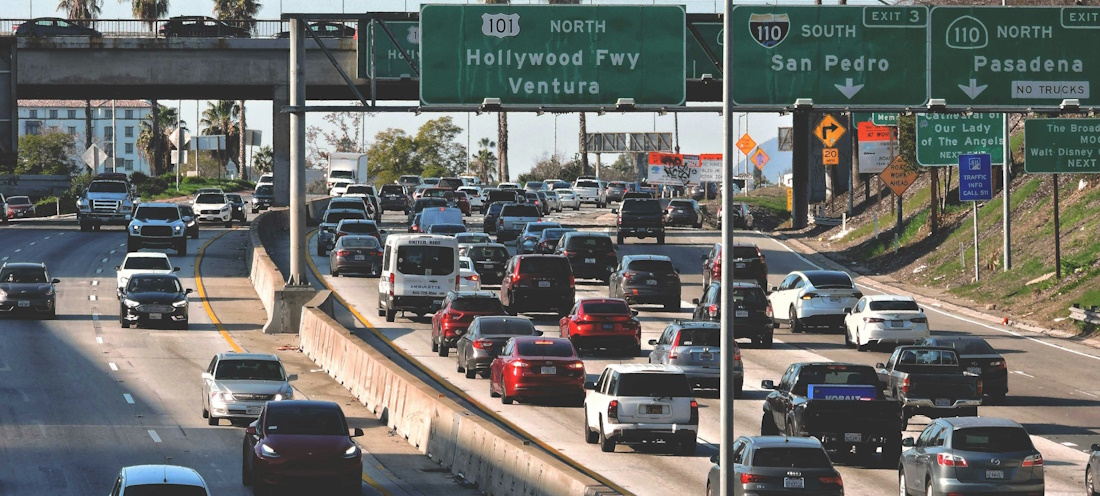
Los Angeles is a monstrous metropolis, and mastering driving in LA means you'll first have to familiarise yourself with the city's roads. Highways, interstates, and surface ways interweave in a mess of arteries and veins to connect various communities. The system is extensive and well-maintained, but it can be overwhelming initially. That said, a little patience and a map app will make a huge difference.
You should pay attention to traffic patterns and learn to consult real-time traffic charts before starting your commute. Planning a route beforehand is the best way to minimise stress and travel time.
If you're a resident of California, you'll need a local licence to drive legally. For these purposes, a resident is legally defined as someone who works, rents, or owns a property in California. Driving licences from other states can be swapped for a California licence, but you must pass a knowledge test before the licence is granted. If you have a licence from outside the US, you will have to take both a knowledge and practical test to obtain a local licence.
Useful links
Cycling in Los Angeles
Exploring Los Angeles by bicycle opens up a world of scenic beauty, from challenging climbs to picturesque routes that cater to cyclists of all levels. With the city's favourable topography and year-round sunshine, cycling in Los Angeles is not just a mode of transport but a growing culture embraced by locals and visitors alike.
The city has made significant strides in developing cycling infrastructure, such as bike lanes and paths, to ensure safer and more enjoyable rides. The LA River bike path, for instance, offers a serene escape from the bustling city streets, allowing cyclists to enjoy traffic-free tarmac stretches amidst urban settings.
Moreover, Los Angeles is adapting to the increasing popularity of electric bikes and scooters, with a few rental services that make exploring the city's diverse landscapes accessible to everyone, regardless of fitness level.
Useful links
- LADOT – Bicycling in LA
- Global Cycling Network – Ultimate Guide to Cycling in Los Angeles
- Cloud of Goods – Electric Bike Rentals in Los Angeles
- Los Angeles County Bicycle Coalition – Bike Maps
Walking in Los Angeles
Discovering Los Angeles on foot offers a unique perspective of the city's diverse and vibrant neighbourhoods. Ranked as the 8th most walkable city in the US, Los Angeles boasts areas where pedestrians can enjoy an array of shopping districts, cultural attractions and convenient public transport links.
Nonetheless, some areas offer limited pedestrian infrastructure, challenging the city's sprawling nature and car dependency. The experience of walking in Los Angeles varies widely, highlighting the importance of choosing the right neighbourhood to explore or reside in based on individual needs and preferences.
Neighbourhoods such as Hollywood, Koreatown, West Hollywood, and the vicinity of the University of California, Los Angeles (UCLA) shine as examples of pedestrian-friendly areas. These neighbourhoods are celebrated for their walkable access to a plethora of amenities and attractions, making them appealing for both residents and visitors keen to explore Los Angeles without a car.
Expat Health Insurance
Cigna Global Health Insurance.
Medical insurance specifically designed for expats. With Cigna, you won't have to rely on foreign public health care systems, which may not meet your needs. Cigna allows you to speak to a doctor on demand, for consultations or instant advice, wherever you are in the world. They also offer full cancer care across all levels of cover, and settle the cost of treatments directly with the provider.

Moving Internationally?
International Movers. Get Quotes. Compare Prices.
Sirelo has a network of more than 500 international removal companies that can move your furniture and possessions to your new home. By filling in a form, you’ll get up to 5 quotes from recommended movers. This service is free of charge and will help you select an international moving company that suits your needs and budget.
Get your free no-obligation quotes from select removal companies now!