

- Download our Moving to Mexico Guide (PDF)
When crossing national borders, travellers must always check updated and relevant information on visas. This can be a stressful experience, but luckily Mexico has a fairly relaxed immigration policy, allowing numerous nationalities free entry.
Those nationalities that do require a visa to visit Mexico should apply at their nearest Mexican consulate before arriving in the country.
There are various categories of visas that expats may apply for. The most common types of visas are:
- tourism, business or transit visas
- work visas
- temporary resident visas
- permanent resident visas
Once the visa is granted, expats can travel to Mexico. Note that holding a visa does not guarantee entry into Mexico, and arrivals will be asked questions about the purpose, length and funding of their visit.
Visa-free entry for Mexico
Permanent residents, visa holders and citizens of numerous countries do not need to apply for tourist, business or transit visas, and stays shorter than 180 days. These countries include many South American countries, Canada, the US, the UK, Schengen Area countries and Japan.
There are some requirements of these visitors, including a passport valid for the duration of their stay, as well as completing a Multiple Migratory Form (FMM) provided at the port of entry. Immigration authorities may request certain documents confirming plans and finances during the stay, including a travel itinerary, a business letter or letter from an educational institution in Spanish in the case of students travelling. In case visitors are asked, regardless of whether they need a visa or not, it’s helpful to carry these documents.
Tourism, business or transit visas for Mexico
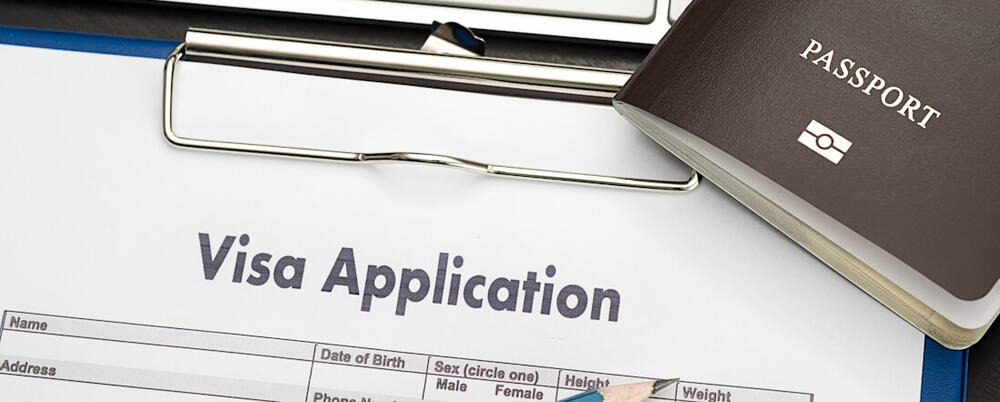
The tourism visa is suitable if the reasons for travel to Mexico include tourism, or sports, artistic or religious activities, transit or business reasons. This visa is for visitors who are not authorised for lucrative activities. Expats working in Mexico must get a work permit.
If new arrivals are entering as tourists or business visitors for a short stay of up to 180 days, this is the best choice of visa.
Applicants may need to show financial records to prove economic solvency, as well as documentation to prove the purpose of their travel. The documents necessary depend on the reason for the visit. They could include a letter of invitation from an organisation to partake in unremunerated activities, or an acceptance letter from an educational institution for courses shorter than 180 days.
For those entering Mexico for tourism purposes, return tickets, an itinerary and confirmation of hotel reservation are necessary. Alongside documents, applicants must visit the nearest Mexican embassy and may need to have an interview, asking the same questions as the visa provides.
Travellers are generally required to surrender their FMM to the Immigration Officers at the border when they leave Mexico, and must request a new one if they want to return.
Dependants
Family members or children dependent on the main applicant must apply for a visa alongside them and need only prove their relationship rather than supply financial records for economic solvency.
Visas for minors under the age of 18 must be signed by both parents or legal guardians, or at least one legal guardian, provided documents proving their full parental authority or the absent guardian’s authorisation.
Applicants over age 65
Visitors over the age of 65 who are applying for this visa for tourist reasons are exempt from providing extensive economic solvency proof.
Useful links
- Expats can visit the official website of the Secretariat of Foreign Affairs (Secretaría de Relaciones Exteriores), where they can select their country of citizenship for specific information on visas, the full list of visa-free countries and the most up-to-date information.
Temporary resident visas for Mexico
The Temporary Resident Visa is the most common visa for expats employed in Mexico and their dependants who intend on living in the country for longer than six months, but less than four years.
Applicants of a temporary resident visa must normally provide proof of employment and comply with the stipulations of the visa and work permit.
Expats are required to apply for a Temporary Resident Visa at a Mexican consulate before arriving in the country. Once arriving in Mexico, the visa holder must visit their nearest immigration office within 30 days to have their visa replaced with a Temporary Resident Permit card.
Student temporary resident visas
Students staying in Mexico for less than 180 days can apply for a tourism, business or transit visa. If attending an educational course that runs for longer than 180 days, a student temporary resident visa is needed.
Students studying courses or conducting research through Mexican higher education institutions must provide their acceptance letter and financial records or acceptance of a Mexican scholarship to prove they can sustain themselves during their stay.
Within 30 days of arrival, students must apply to the National Migration Institute for their residence card.
Permanent resident visas for Mexico
The Permanent Resident Visa needs no extensions and is for expats who plan to live in Mexico permanently. A benefit of this visa is that, according to Mexican foreign investment law, legal residents may be considered as nationals when they want to invest.
This visa is most common for retirees in Mexico or those with close family ties in the country. Provided certain conditions are met, expats don't need to have a Temporary Resident Visa before applying for a Permanent Resident Visa.
Like with temporary residence, visa holders must visit the nearest immigration office within 30 days to receive their residence card.
Family unity
Dependants and family members may apply for permanent residence at the embassy, accompanied by the permanent resident or Mexican citizen. Foreign spouses of Mexican citizens or permanent residents must typically hold temporary residence for two years first, following which they can apply for permanent residence at the National Migration Institute.
Useful links
- Expats can visit the National Migration Institute's website for more information on resident cards.
*Visa regulations are subject to change at short notice, and expats should contact their respective embassy or consulate for the latest details.
Expat Health Insurance
Cigna Global Health Insurance.
Medical insurance specifically designed for expats. With Cigna, you won't have to rely on foreign public health care systems, which may not meet your needs. Cigna allows you to speak to a doctor on demand, for consultations or instant advice, wherever you are in the world. They also offer full cancer care across all levels of cover, and settle the cost of treatments directly with the provider.

Moving Internationally?
International Movers. Get Quotes. Compare Prices.
Sirelo has a network of more than 500 international removal companies that can move your furniture and possessions to your new home. By filling in a form, you’ll get up to 5 quotes from recommended movers. This service is free of charge and will help you select an international moving company that suits your needs and budget.
Get your free no-obligation quotes from select removal companies now!