
- Download our Moving to Qatar Guide (PDF)
As a country with one of the world’s highest per capita income, Qatar's inhabitants need adequate infrastructure to protect their earnings. As such, expats generally find that banking in Qatar, with its well-maintained network of local and international banks, is quite easy to manage.
Money in Qatar
The currency used in Qatar is the riyal (QAR), which is divided into 100 dirhams. Riyals can be found in the following denominations:
- Notes: QAR 1, 5, 10, 50, 100 and 500
- Coins: 1, 5, 10, 25 and 50 dirhams
The riyal is pegged to the US dollar at a fixed rate of 1 USD to 3.64 QAR for the Qatar Central Bank's sales and purchases of USD with banks that operate in the country. New arrivals can easily get local cash at the airport and banks. Remember, though, that banks charge for the service when exchanging currency, so the rate may vary.
Banking in Qatar
The banking industry is supervised by the Qatar Central Bank, which oversees commercial banks such as Ahli Bank, the Commercial Bank of Qatar, Doha Bank, Qatar Islamic Bank, the International Bank of Qatar and the Qatar National Bank (QNB). These offer comprehensive online banking services.
Most local banks have services in both English and Arabic and offer familiar account types found in most global destinations.
Alternatively, expats can open an international account with banks such as HSBC and Standard Chartered Bank. This kind of account may benefit those who would like to consider offshore account options or those who already have an account with one of these service providers in their home country. Some expats also report that they prefer the convenience and security of centralising their finances.
Banks in Qatar are generally open from Sunday to Thursday between 7.30am or 9am and 1pm, but many are also open in the afternoon and on Saturday mornings. During the months of Ramadan, these hours may vary significantly.
Opening a bank account in Qatar
Opening a bank account in Qatar is a relatively simple, stress-free process, and many banks make it possible to open an account before moving to the country. International banks such as HSBC and Standard Chartered and big banks such as the Commercial Bank Of Qatar and QNB allow new customers to open online accounts. However, to support an online application, you will likely be required to provide documentation such as a copy of your passport photo page and a letter from your employer in Qatar.
Those opening a bank account must provide documentation including a copy of their passport, a valid residency or work permit and a Qatar ID card, passport-sized photos, and a certificate or letter from their Qatari employer stating their monthly salary. Banks may require either a minimum balance or salary, often of QAR 5,000 or more. Expats who open an online account before arriving in the country will have 90 days to present their local Qatar ID to the bank.
Once the application has been approved, the bank will provide the applicant with a letter to send to their employer, confirming that they are happy to receive salary payments into the new account.
Qatar also has an officially appointed banking ombudsman affiliated with Qatar's Central Bank, accessible to anyone who has a complaint against a bank and needs assistance.
See more about Opening a Bank Account in Qatar.
Credit cards and ATMs in Qatar
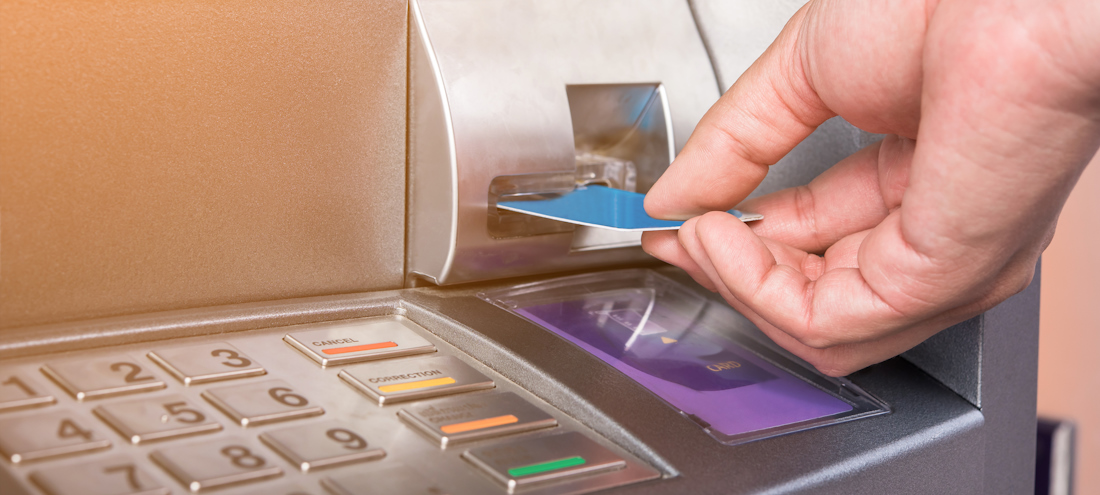
ATMs are readily available in Qatar and, more often than not, accept both local and international credit and debit cards. While most ATMs function 24 hours, it may not be guaranteed, and using ATMs operated by banks other than one's own, or using a credit card to withdraw cash, normally incurs extra charges.
Taxes in Qatar

One of the great attractions of relocating to Qatar is that no personal or income tax is levied against individual salaries or allowances, even as an expat. This means that, while in Qatar, an expat's gross salary will be paid to them without any deductions.
That said, expats are strongly advised to research whether a double taxation avoidance agreement (DTAA) exists between Qatar and their country of origin; if there isn't, they will be liable to pay tax in their country of origin on the money earned in Qatar. We recommend that expats working in Qatar check this online and consult tax specialists if necessary.
Excise taxes
While income is not taxed, certain goods are, including tobacco, carbonated and energy drinks, and special-purpose goods such as alcohol. This means the prices of these items are much higher, affecting the cost of living.
Expat Health Insurance
Cigna Global Health Insurance.
Medical insurance specifically designed for expats. With Cigna, you won't have to rely on foreign public health care systems, which may not meet your needs. Cigna allows you to speak to a doctor on demand, for consultations or instant advice, wherever you are in the world. They also offer full cancer care across all levels of cover, and settle the cost of treatments directly with the provider.

Moving Internationally?
International Movers. Get Quotes. Compare Prices.
Sirelo has a network of more than 500 international removal companies that can move your furniture and possessions to your new home. By filling in a form, you’ll get up to 5 quotes from recommended movers. This service is free of charge and will help you select an international moving company that suits your needs and budget.
Get your free no-obligation quotes from select removal companies now!