

- Download our Moving to Bahrain Guide (PDF)
Visas for Bahrain fall into several different categories. The type of visa required will depend on the purpose of the visit, the number of expected visits and the length of an expat's stay in the Kingdom.
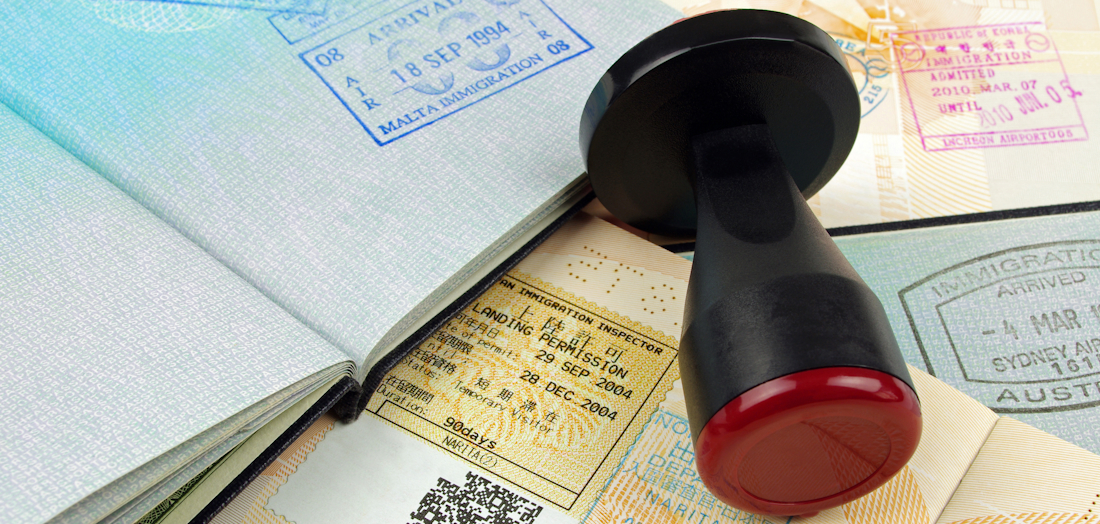
Depending on their nationality, many expats will be able to obtain a visa on arrival in Bahrain and will receive a stamp in their passport when entering. Otherwise, expats may be eligible for an eVisa, which is applied for in advance and stored online. Those not eligible for an eVisa or a visa on arrival will need to apply for a tourist visa in person at their local Bahraini embassy.
Foreigners entering Bahrain will usually be required to have a Bahraini sponsor to support their visa application. Sponsors can be an individual, a company or an institution. In most cases, it will be the expat's employer.
Tourist visas for Bahrain
Foreigners visiting Bahrain for a holiday or those on a short fact-finding trip prior to accepting an employment contract will need to apply for a tourist visa. Some travellers will be entitled to a visa upon arrival at the airport in Bahrain, providing that they are in possession of a valid passport and an onward or return ticket.
Visitors ineligible for a visa on arrival must pre-arrange their visa, either through the eVisa system or by application through a Bahraini embassy. These applications must be supported by a sponsor. Those without a contact in Bahrain may be able to use a travel agency or hotel as their sponsor.
Once the visa has been granted, the foreigner is entitled to visit Bahrain for the duration of the period stated on their visa. A tourist visa does not permit the holder to carry out any form of economic activity during their stay, including working and business-related activities.
Useful links
Business visas for Bahrain
Business visas are issued to those visiting Bahrain for business and representing a company. Those in possession of a business visa are only permitted to carry out official company business while in the Kingdom. They are not entitled to look for alternative employment or take up any form of employment with another company in Bahrain. Business visas are valid for up to four weeks.
Work visas for Bahrain
Most expats moving to Bahrain do so with a job offer in hand. Anyone who plans on working for either a local or international business in Bahrain will need a work visa to allow them to do so legally. In most cases, the employer will take care of arranging the work visa on the expat's behalf. That said, it's worth being aware of the requirements, as expats will need to provide their employer with several important documents.
Once a job offer is solidified, the hiring company will usually completely bear the burden of organising visas and paperwork. In such cases, expats will merely need to help supply the requested documents.
A health check is required for the work permit application. This can be done in one's country of origin at an accredited health centre no more than three months before moving to Bahrain.
Once the work permit is granted, the employer prints it out.
Work permits are renewable and are issued for the length of the expat's employment contract (either one or two years).
Useful links
Residency permits for Bahrain
Those taking up employment in Bahrain will need a residency permit in addition to their work permit. This should be granted to the employer when the work permit is approved. Once the expat is in the country, the employer will make use of the Bahrain National Portal to print the residency permit.
All expats in the Kingdom will need to acquire a local identity card, known as a CPR (Central Population Registry) card. The application for the card can be done online.
Useful links
Expat Health Insurance
Cigna Global Health Insurance.
Medical insurance specifically designed for expats. With Cigna, you won't have to rely on foreign public health care systems, which may not meet your needs. Cigna allows you to speak to a doctor on demand, for consultations or instant advice, wherever you are in the world. They also offer full cancer care across all levels of cover, and settle the cost of treatments directly with the provider.

Moving Internationally?
International Movers. Get Quotes. Compare Prices.
Sirelo has a network of more than 500 international removal companies that can move your furniture and possessions to your new home. By filling in a form, you’ll get up to 5 quotes from recommended movers. This service is free of charge and will help you select an international moving company that suits your needs and budget.
Get your free no-obligation quotes from select removal companies now!