
Expats will find banking in the UAE to be simple, sophisticated and reasonably familiar. The dirham's stability and ease of exchange make it a reliable currency for both locals and expats. That said, as is the case with any foreign destination, there are a few quirks to consider and practices to avoid debt and maximise the tax-free advantage that comes with living in the country.
In addition to a robust banking system, the UAE offers a unique financial environment that expats can benefit from. Understanding the nuances of the local banking and financial systems is key to making the most of one's stay in the UAE.
One notable aspect is the ease of accessing various banking services, which can significantly streamline financial management for expats. The wide range of banking options, from international to local institutions, ensures that there's a choice to suit everyone's needs.
Money in the UAE
The dirham is the local currency in the United Arab Emirates and is abbreviated as AED. It is sometimes also written as DH or Dhs. One dirham is divided into 100 fils.
The dirham is available in the following denominations:
- Notes: 5 AED, 10 AED, 20 AED, 50 AED, 100 AED, 200 AED, 500 AED and 1,000 AED.
- Coins: 1 AED and 25 fils, 50 fils.
Banking in the UAE
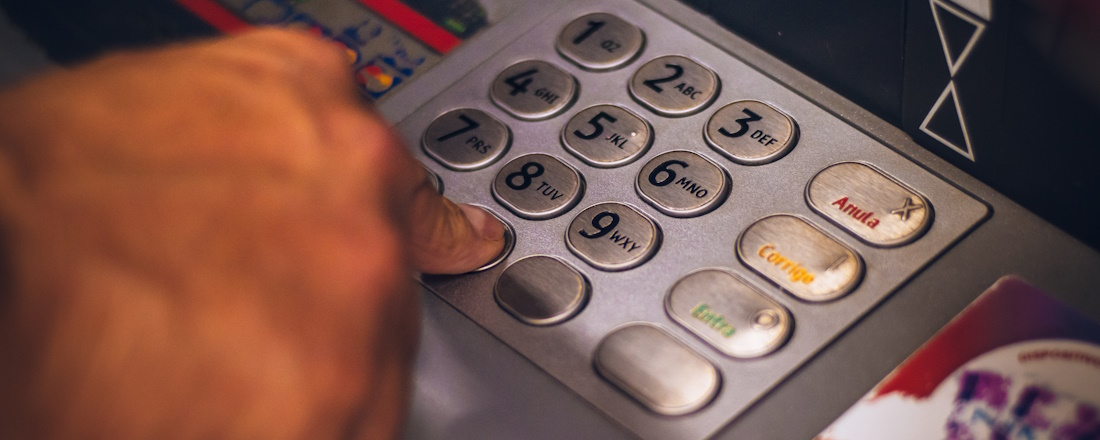 The UAE’s banking system is highly regarded globally, offering a multitude of choices and efficient services. Expats typically select a bank based on factors like digital and mobile banking availability, ATM proximity, and overall convenience of services.
Foreigners often opt for a familiar brand from their home country, particularly if they already hold an account with that institution. However, considering local banks is worthwhile as they are well-versed in serving the substantial expat community and largely eliminate language barriers, primarily operating in Arabic and English.
Operating hours for banks in the UAE are typically from Sunday to Thursday, 8am to 3pm. Some branches, especially those in large malls, may offer extended hours. Internet banking is prevalent and advanced, embracing innovations like blockchain and artificial intelligence to enhance customer experience.
The integration of cutting-edge technology in banking services is a testament to the UAE's commitment to innovation and customer satisfaction. This progressiveness not only benefits residents but also places the country's banking sector at the forefront internationally.
Opening a bank account
For expats, opening a bank account in the UAE is straightforward once they have their residence visa. Necessary documents include a passport, proof of address, and a no-objection letter from their employer.
The range of services varies between banks but typically includes current accounts, debit and credit cards, savings accounts, and car loans. Many banks offer preferential services based on the customer's salary level.
Cheques
Cheques play a significant role in the UAE's financial landscape, especially in business and real estate transactions. Post-dated cheques are commonly used for significant commitments like car purchases and annual rent payments, providing a security measure for the recipient.
ATMs
The availability of ATMs across the UAE ensures convenient access to cash. While some banks might impose charges for using ATMs from other banks, many have collaborated to offer free or low-cost withdrawals across a broad network.
Banks provide cheque and cash deposit machines, accessible 24/7, complementing the widespread and efficient internet banking services.
Taxes in the UAE
A significant benefit for expats in the UAE is the absence of income tax and GST on their earnings. Since 2018, a standard VAT of five percent has been applied, with certain goods and services taxed at a zero rate, including exports and specific industries like oil and gas. Restaurants serving alcohol may add a minimal tax to drinks and meals.
Tax liabilities for expats in their home countries vary based on individual countries' tax laws and any applicable tax treaties. Expats should seek professional advice for tax filing in their home countries, considering factors like duration spent abroad and non-resident tax status.
For US expats, compliance with US tax regulations is mandatory, including filing expat tax returns annually and reporting assets in foreign bank accounts. Notably, there is no tax treaty between the US and the UAE.
The absence of personal income tax in the UAE is a major draw for expats, complementing the country's appealing lifestyle and business opportunities. However, staying informed and compliant with tax obligations in one's home country is essential for financial security and peace of mind.
Expat Health Insurance
Cigna Global Health Insurance.
Medical insurance specifically designed for expats. With Cigna, you won't have to rely on foreign public health care systems, which may not meet your needs. Cigna allows you to speak to a doctor on demand, for consultations or instant advice, wherever you are in the world. They also offer full cancer care across all levels of cover, and settle the cost of treatments directly with the provider.

Moving Internationally?
International Movers. Get Quotes. Compare Prices.
Sirelo has a network of more than 500 international removal companies that can move your furniture and possessions to your new home. By filling in a form, you’ll get up to 5 quotes from recommended movers. This service is free of charge and will help you select an international moving company that suits your needs and budget.
Get your free no-obligation quotes from select removal companies now!