

- Download our Moving to Madrid Guide (PDF)
- Download our Madrid Schools Guide
The best places to live in Madrid
Madrid is a cosmopolitan city full of art galleries, theatres, cinemas, restaurants, universities and a thriving nightlife.
Whether a student, an English teacher, a young professional, or an expat family, new arrivals are sure to find a suitable area or suburb in Madrid to call home.
Expats tend to live in and around the historic centre, on the outskirts and beyond, and even in nearby provincial towns. Goods, services and reliable transport are widespread and usually within reach.
Expats should note that accommodation in most large Spanish cities is in the form of apartments, and Madrid is no different. Meaning that the centre can be noisy and the living space minimal.
Expats who would prefer to live in a quiet area in a spacious, affordable house will most likely have to live away from the city centre. While this does include a commute, the excellent public transport networks make it easy and rather pleasant. Otherwise, expats can travel into the city centre by road, but these can be rather busy.
Central areas of Madrid
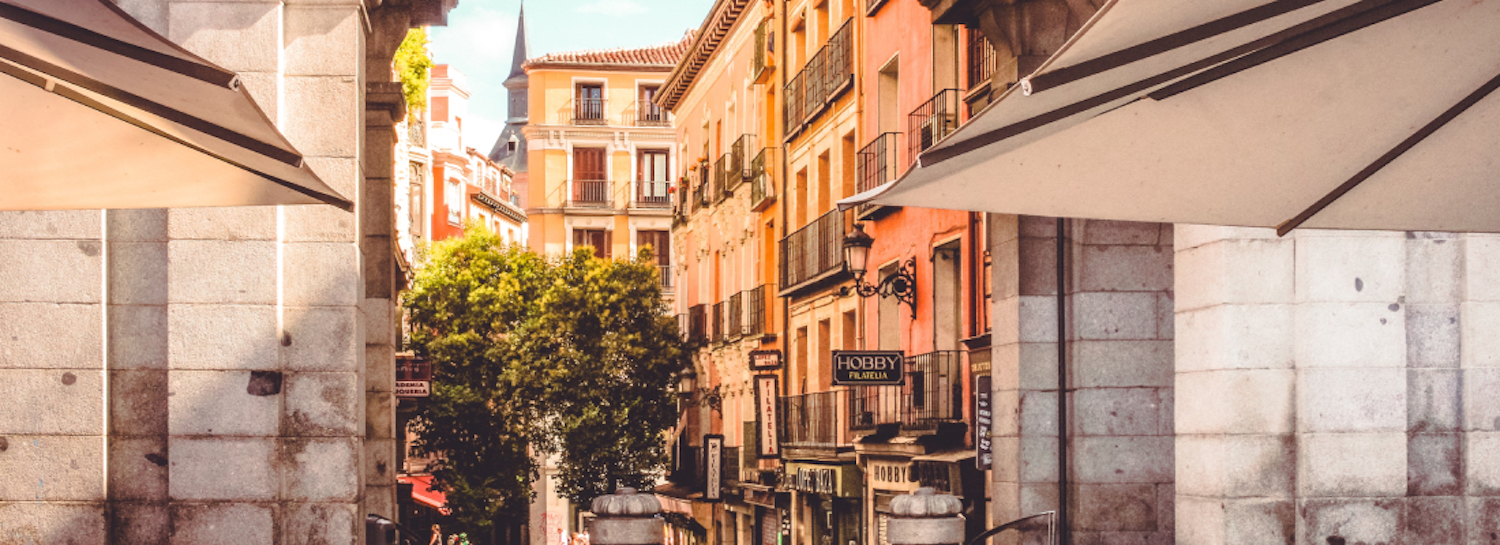
City centre
In the city centre, winding streets fan out from Madrid’s famous tourist-friendly Puerta del Sol, a broad square that acts as the commercial heart of the city. While this area is exciting, there is little green space and the accommodation is expensive, often in older buildings that are not all newly renovated.
Wider avenues, such as the main artery of the Gran Vía or the area around the Plaza de Oriente, home of the Royal Palace, are nearby. In general, this area best suits young, fun-seeking students who can keep up with its frenetic pace.
La Latina
Close by the centre is La Latina, where expats will find inhabitants, bars and narrow streets reminiscent of traditional Madrid. Though certainly a charming neighbourhood, some of the accommodation found here is in need of upgrading. That said, some of the best tapas bars in the metropolis are found here, and on Sundays, the huge Rastro flea market winds its way down the area's eastern edge. Rent in this area is quite expensive, even if not all apartments are updated, as it is a popular area to live in.
Chueca and Malasaña
Chueca and Malasaña are other fun options in central Madrid. Owing to Chueca's flourishing nightlife, the neighbourhood tends to be noisy, though Malasaña manages to be quieter and more residential while keeping its trendy, alternative edge. These areas are perhaps best suited to young, well-earning professionals who prefer their accommodation to be in proximity to their favourite party spots.
Retiro
Not far from the centre is the Retiro, a quiet residential district made up of medium-sized period buildings. This neighbourhood lacks shops and markets but is close to Madrid's biggest railway station, Atocha. It is suited to families but is rather pricey.
Salamanca and Castellana
Chic, well-heeled expat professionals may want to secure accommodation in Salamanca or Castellana; these are some of the most expensive areas in the city. The broad thoroughfares are lined with designer shops, stylish boutiques and upmarket restaurants. The US Embassy is located here, and amid the district’s wide highways and tall buildings are the headquarters of many banks and companies.
Beyond central Madrid
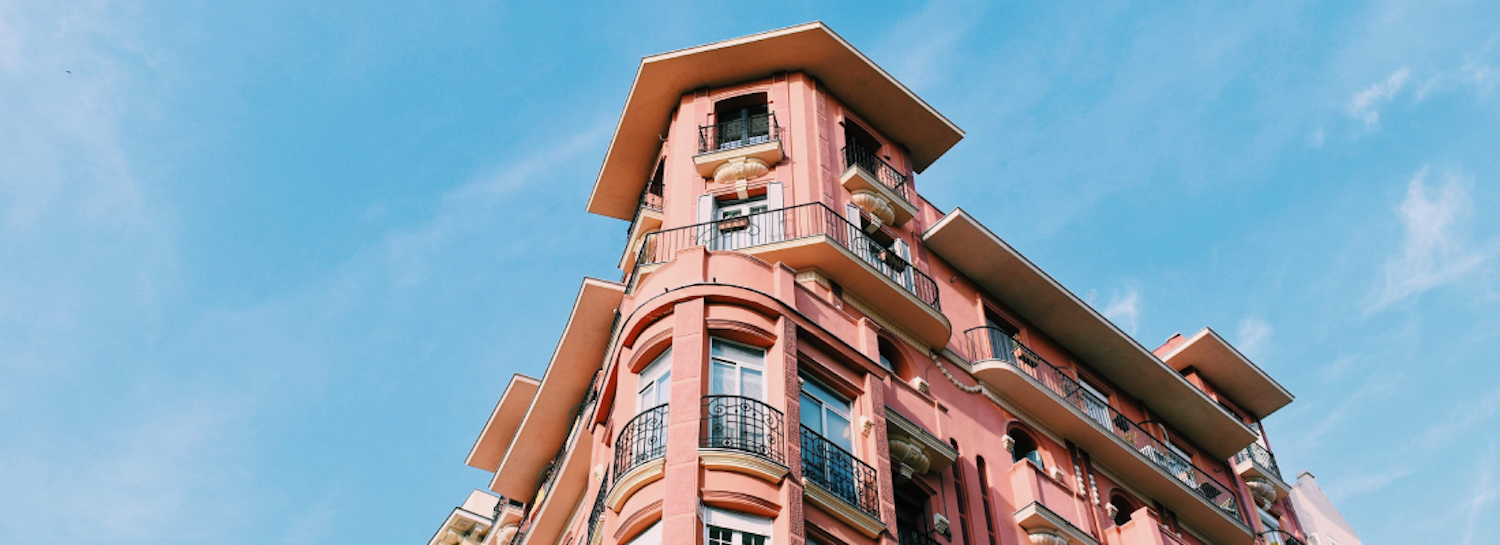
Chamartín
Spacious and residential, Chamartín is within easy reach of the city centre by bus and metro. Home to Real Madrid's Santiago Bernabéu Stadium, it has a well-established community of affluent expat families. Beyond the wide avenues, there are medium to more expensive modern apartment complexes, as well as secluded and pricey villas. Stylish restaurants can be found here, and there are international clubs, societies, churches and schools. It is well suited to high-earning professionals and their families.
Moncloa
Moncloa, north of the Plaza De Espana and the location of the Prime Minister's official residence, is a quick, easy getaway from the buzz of the centre. This elegant area of four-storey buildings is laid out on a grid system and boasts a park as well as underground parking options. The neighbourhood is also home to the Complutense University campus, with its well-kept sports facilities. Despite being home to many students, the area is quiet and well-suited to expat families.
Nuevos Ministerios
Located north of the city centre, Nuevos Ministerios is a middle-income zone and offers everything from restaurants and cinemas to clubs and cafés. The neighbourhood is well connected to the rest of the city by bus and the underground, but parking is as difficult to find as in the city centre.
Outlying areas of Madrid
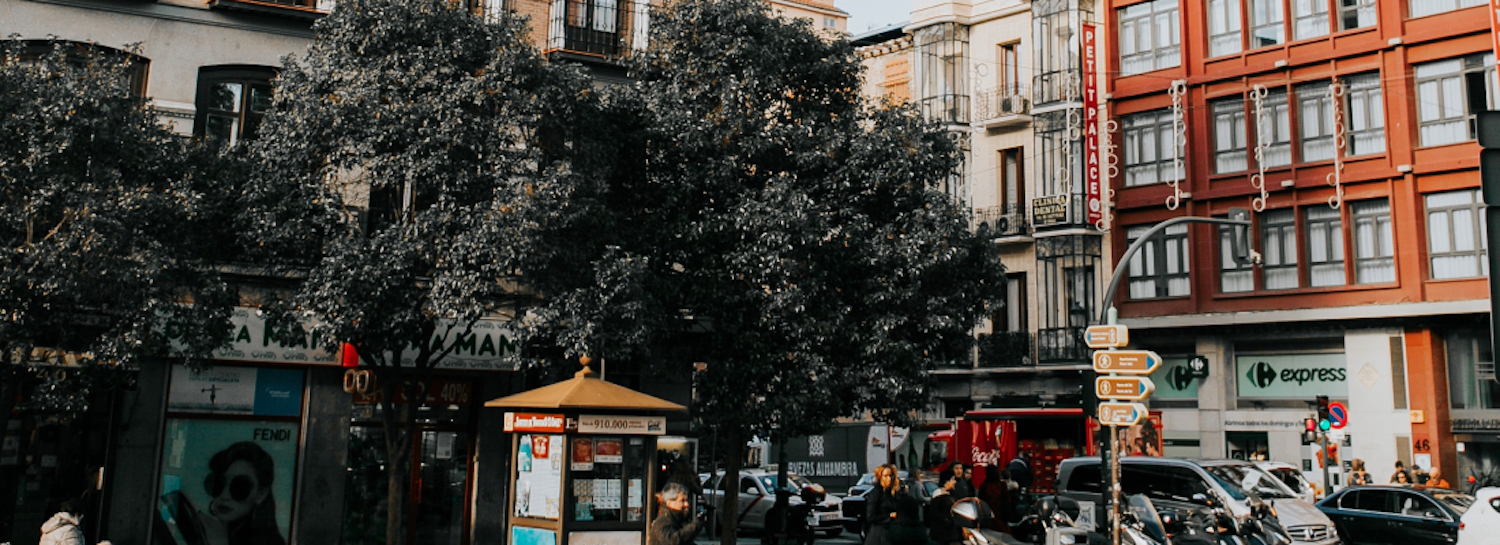
La Moraleja
La Moraleja (Alcobendas) is popular with the city's wealthier residents. Situated in Madrid's northeast, it is the equivalent of the Spanish Beverly Hills. Tranquil, spacious and full of luxury villas with private gardens, rental and purchase costs are steep. Residents include the internationally rich and famous such as film stars, impresarios and top company directors. A selection of Madrid’s best private schools and sports clubs are located in this area, complete with tennis, golf and pony clubs. Restaurants are select and costly. A private car is essential, both for shopping in nearby commercial centres and for going into the city. This is the place to live for prosperous expats.
San Sebastián de los Reyes
San Sebastián de los Reyes, a historical town founded in 1492, is 11 miles (18km) north of Madrid. It is well connected to the capital and to Barajas Airport by rail and underground. Known for its sporting activities, it is also a shopper’s paradise, as major international companies such as IKEA and Leroy Merlin have branches in its MegaPark and Plaza Norte malls. The home of Antena television station, San Sebastián de los Reyes is a middle-class town and an ideal place for expat families.
Las Rozas
Las Rozas is a little over half an hour beyond the city limits to the northwest. It is an exclusive area with large, high-standard apartments, semi-detached houses and landscaped villas. With strong North American influences, there is an international choice of banks, shops and eateries. There are several international schools in the area and plenty of organised sports and social facilities. Las Rozas is best suited to prosperous families or couples.
Pozuelo and Somosaguas
Pozuelo is one of the richest cities in Spain that is home to many offices of renowned international companies, and as such a lot of expats live here. It is only 6.2 miles (10 km) from the city centre of Madrid. Somosaguas is a chic residential area with luxury standalone villas where a lot of famous people live, such as television or film stars, football players and artists.
Aravaca, El Plantio and La Florida
Aravaca still forms part of the City of Madrid, even if it is next to Pozuelo. Like Pozuelo, it includes areas where the upper class live. In El Plantio and La Florida, there are several international schools, making it a sought-after area for families starting a new life in Madrid.
Expat Health Insurance
Cigna Global Health Insurance.
Medical insurance specifically designed for expats. With Cigna, you won't have to rely on foreign public health care systems, which may not meet your needs. Cigna allows you to speak to a doctor on demand, for consultations or instant advice, wherever you are in the world. They also offer full cancer care across all levels of cover, and settle the cost of treatments directly with the provider.

Moving Internationally?
International Movers. Get Quotes. Compare Prices.
Sirelo has a network of more than 500 international removal companies that can move your furniture and possessions to your new home. By filling in a form, you’ll get up to 5 quotes from recommended movers. This service is free of charge and will help you select an international moving company that suits your needs and budget.
Get your free no-obligation quotes from select removal companies now!