

- Download our Singapore Schools Guide
- Download our Moving to Singapore Guide (PDF)
Expats thinking of a move to Singapore will find that accommodation in the city is of a high standard, comes in all shapes and sizes, and has a wide price spectrum. Prices vary depending on the area or suburb, the size of the property, and its proximity to schools and public transport.
The property market in Singapore can be divided into public and private sectors, with public housing being offered by the Housing and Development Board (HDB). Unlike many other countries, public units in Singapore aren't necessarily associated with lower-income groups, and they even include luxury options.
Around 80 percent of Singapore's population lives in HDB housing. Expats are eligible to rent HDB accommodation, but there are non-citizen quotas in place, so availability is limited. Landlords are often also only allowed to rent a portion of an HDB unit unless they have special permission from the government to rent out the entire property.
Many foreigners, especially high-earning Westerners, prefer to rent a private apartment, condominium or bungalow. But while some companies might cover rental costs, others may not. Given the increasing price of accommodation in Singapore, expats need to negotiate their salaries accordingly.
Areas and suburbs in Singapore
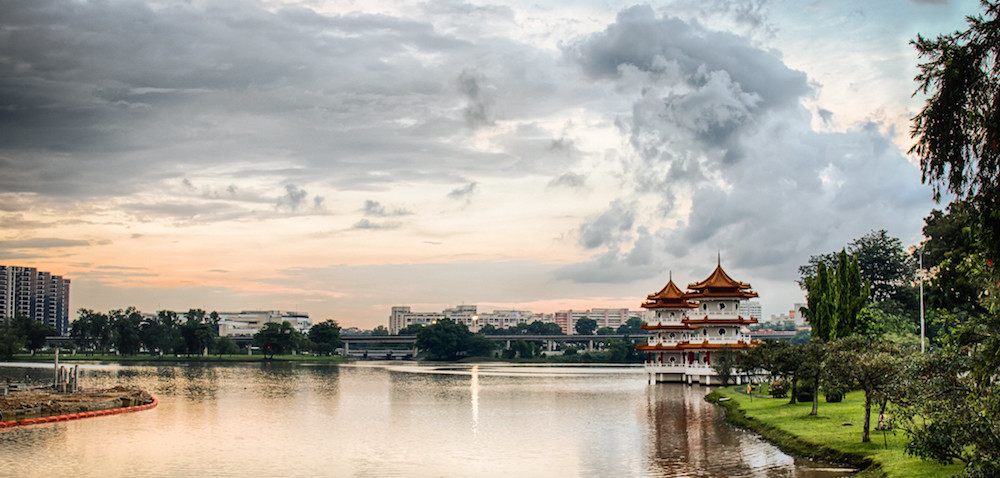
In the Central Region of Singapore, expats enjoy a blend of cosmopolitan living with convenient access to Singapore's bustling business district, shopping centres and a plethora of dining options. High-rise condos and apartments, often complete with luxurious amenities, dominate this area. Although this region offers a high standard of living and proximity to several prestigious international schools, residents may find the cost of living quite steep and the noise levels from traffic and construction somewhat intrusive.
The North Region of Singapore presents a tranquil escape from city life, immersed in lush greenery and outdoor activities. Despite being further from the city centre, it's easily accessible and offers a unique view of Malaysia from the Woodlands district. This area is particularly appealing to American expat families, largely due to the presence of the Singapore American School. The serene environment is ideal for those preferring a quieter lifestyle, though it's worth noting the limited nightlife options.
In contrast, the East Region offers a charming coastal lifestyle, merging the allure of the old with the convenience of the modern. Home to Changi International Airport, this area is a melting pot of cultures, featuring a diverse population and exciting amenities. Expats here enjoy spacious condominiums, a sense of community, and proximity to quality international schools. The region's appeal is further enhanced by its beautiful beaches and an array of exquisite eateries, providing a balanced quality of life away from the city's hustle and bustle.
Check out the Best Areas and Suburbs in Singapore
Types of accommodation in Singapore
Prospective new residents of Singapore will be spoilt for choice, as the city is home to a considerable variety of neighbourhoods and housing, in just about every price bracket. They could choose to rent private accommodation, an HDB unit, or a single room in an HDB unit.
Singapore has a reputation for replacing buildings once they are 10 years old with newer marble and glass structures. Both furnished and unfurnished accommodation is available in Singapore, so this should be taken into account when deciding whether to ship goods from home.
Apartments
A common choice among expats, apartments are (mainly) smaller self-contained units in larger buildings; referred to as 'flats' in some parts of the world, like the UK. Many apartments are HBD-subsidised which can save expats some money.
Condominiums
These complexes are similar to apartments but are more luxurious and will generally offer a wide range of facilities. Those at the top of the scale will offer a full suite of facilities including a pool, gym, playground, tennis and squash courts, as well as 24-hour security.
Semi-detached
These are houses attached on one side or more. Although they aren't freestanding, semi-detached houses are more spacious than apartments and condominiums.
Bungalows
A low house with only one storey or, in some cases, upper rooms set in the roof. These are difficult to come by and pricey but are equipped with ample space.
Shophouses
Stunning historical homes, some of which have received pricey renovations. Shophouses are clustered around the city. If a shophouse has not undergone renovation, though, expats shouldn't expect modern facilities.
Finding accommodation in Singapore

Estate agents are an essential part of finding property in Singapore. While expats can find accommodation using property websites, it's preferable to let an agent do the legwork. A good agent with extensive knowledge of the property market is a valuable asset, and the best way to go about acquiring an agent is to ask for recommendations from fellow expats, or recruit one from a reputable property site.
The hunt for a home should be thorough, the fruits of which will determine where an expat spends most of their time. Besides being sure about a property before signing on the dotted line, it's also important to survey the area to make sure it suits the expat's lifestyle before settling.
Useful links
- PropertyGuru is the largest and most comprehensive portal in Singapore for resale and rental property, offering a wide range of options for those looking to buy or rent.
- SRX Property provides a unique and detailed approach to property listings in Singapore.
- EdgeProp, from The Edge magazine, offers a distinct perspective on property listings in Singapore.
- 99.co is a newer platform in the property search game, known for its user-friendly interface and comprehensive property listings.
Renting accommodation in Singapore
New arrivals in Singapore tend to rent rather than buy, as rules and regulations make it difficult and costly for foreigners to purchase property. A popular route for expats going about the process on their own is to rent a short-term serviced apartment while checking out an area and deciding on long-term accommodation. This isn’t strictly necessary though, and with a good agent, long-term rentals can be secured without the need for temporary accommodation.
Apartments, condos and bungalows can be rented furnished or unfurnished – it really comes down to the tenant, and whether they have the capacity and desire to ship furniture from their home country.
Making an application
Having found a suitable place in their desired neighbourhood, expats must inform the landlord of their interest as soon as possible. In a city short on land and high in population, there are likely to be many interested parties.
If the expat decides to apply for an HDB unit (the entire unit), they should ensure that the landlord has the appropriate permissions from authorities and hasn't reached their non-citizen quota. Technically, HDB owners in Singapore aren’t allowed to rent out entire apartments without special permission from the government, so expats are advised to ask for the permission slip to avoid getting into trouble.
The next step is for the prospective tenant and the landlord to both sign a Letter of Intent (LOI). The LOI should state the expat’s intention to rent the place, along with the price, the term, and whatever else the tenant and landlord agree on. If expats choose to work through a property agent, the agent will likely set up this document for them.
It’s also prudent to have references and testimonials from current and former employers and former landlords, as these will improve the expat’s chances of securing the lease.
Leases or tenancy agreements
Once the LOI is signed, the tenant and landlord will have to sign a lease agreement. A lease specifies the period of tenancy, along with other important terms and conditions that both parties need to agree on. Expats are urged to comb through the agreement and make sure that all verbal agreements with the landlord are in print and acknowledged by both parties. Both the tenant and the landlord should also agree on an inventory list at the start of the lease.
Deposits and fees
Tenants, upon signing the lease, will have to pay a security deposit, which is usually the equivalent of one to two months' rent, and is customarily paid before the start of the lease along with the first month’s rent.
Deposits can’t be non-refundable, as it remains the property of the tenant. However, landlords are allowed to make deductions from the deposit or keep the whole amount for various reasons. These include covering unpaid rent, for damages above normal wear and tear, other breaches of the lease agreement, unpaid utility bills, or – if pre-arranged with the tenant – to cover the last month’s rent.
Additional fees to consider include the agent’s commission fee (if an agent was employed) and a stamp duty. The commission fee typically comes to about half a month’s rent for every year of the rental term agreed to in the lease. The stamp duty amounts to 0.4 percent of the total rent for a lease up to four years, or 0.4 percent of the total rent (divided by the number of years in the lease if the term is longer than four years).
Terminating the lease
At the termination of the lease, the landlord and tenant can either choose to agree to renew the lease or end it. Importantly, expats should insist on a Diplomatic or Repatriate clause in the lease agreement. The clause is vital, as it would allow the expat to terminate the contract if their employment is terminated or their company decides to transfer them to another country. It also ensures the expat’s security deposit is returned.
Once everything is finalised, the agreement will have to be stamped by the Inland Revenue Authority of Singapore (IRAS) for it to be considered a valid contract.
Utilities in Singapore
Prospective tenants must scrutinise a lease agreement carefully to ascertain which utilities are included in the rental cost before committing.
Utilities and maintenance are usually for the tenant’s account in Singapore. Expats looking to rent should be aware that they’ll be expected to pay for internet, electricity, water and gas. It’s possible to pay all utilities through one company, namely SP Group, but expats can also shop around for affordable deals on electricity and gas. TV licence fees aren’t required in Singapore.
Electricity
In Singapore, the Open Electricity Market (OEM) allows consumers to choose their electricity providers, presenting a range of options from various retailers. Key players in the market include Geneco, Keppel Electric, PacificLight Energy, Senoko Energy, Tuas Power, Sembcorp Power, Union Power and Diamond Electric. These retailers offer diverse price plans catering to different consumer needs. Options include:
- fixed price plans, which provide stability in billing;
- discount off regulated tariff plans, offering savings compared to standard rates; and
- peak/off-peak plans, ideal for consumers with flexible usage patterns.
When it comes to bill payment, there are several convenient methods available. Consumers can opt for GIRO for automatic deductions, use AXS stations or SAM kiosks, or take advantage of online payment facilities through the retailer's website or mobile app.
Switching to an OEM retailer can lead to significant savings, making it a worthwhile consideration for expats. However, it's essential to compare the different plans and understand the terms and conditions to ensure that the chosen plan suits one's lifestyle and usage patterns.
Gas
The gas industry in Singapore is structured to encourage competition, ensuring fair and equitable access to the gas pipeline network. This is regulated by the Gas Network Code, which governs gas transportation. Piped natural gas in Singapore is imported from regions such as South Sumatra and West Natuna in Indonesia, while liquefied natural gas comes from various global sources. The Singapore LNG Terminal plays a crucial role in ensuring the country's energy security.
The introduction of Gasco in 2024 will centralise gas procurement and supply, particularly for the power sector. This move is expected to ensure a steady and secure supply of gas, aligning with Singapore's energy security goals.
The primary form of consumer gas supply in Singapore comes from piped town gas and natural gas. City Energy is a significant provider of piped town gas, primarily used for cooking and heating in both residential and commercial settings. For new residents, setting up gas utilities with City Energy involves a straightforward process that can be initiated once the property confirmation is received.
Payment for gas services is usually managed through SP Services, the main utility provider in Singapore. Consumers can easily open an account with SP Services either by contacting their hotline or visiting the Customer Service Centre. The most common mode of payment for gas services is through credit cards, providing a convenient method for managing monthly utility bills.
Water
In Singapore, SP Services is the principal provider of water services. To set up a water account, individuals can either apply online or visit the SP Services Customer Service Centre in person. The process involves filling out an application form and submitting the required documents, such as proof of occupancy and a copy of the individual's NRIC or passport.
Singapore is renowned for the safety and quality of its tap water. The water undergoes an extensive and robust purification process, making it perfectly safe to drink straight from the tap. This feature is particularly beneficial for new residents, as it alleviates the need for additional water purification systems or bottled water, contributing to both convenience and environmental sustainability.
When it comes to paying water bills, SP Services offers various convenient payment options. These include the SP app, GIRO for automatic deductions, and other electronic payment methods available at AXS stations and 7-Eleven outlets. The flexibility in payment methods ensures that residents can choose their preferred option.
Bins and recycling
In Singapore, general waste is discarded in green bins, while recyclables are placed in blue bins. In public housing estates, these blue recycling bins are conveniently located at every block and are emptied a minimum of three times a week. Private landed properties are provided with individual recycling bins, with collections occurring weekly.
Composting is less common in Singapore due to the emphasis on recycling and waste-to-energy (WTE) incineration. The country's WTE plants play a significant role in waste management, converting waste into electricity. This not only helps in reducing the volume of waste that ends up in landfills but also contributes to energy production, aligning with Singapore's commitment to sustainability.
The recycling system in Singapore operates on a 'co-mingled' basis, meaning there is no need to separate recyclables into different categories. Residents can collect their recyclables in a container or bag next to their rubbish bin before disposing of them in the blue bin.
As of March 2023, to facilitate recycling at home, every household can collect a free home recycling box, known as the Bloobox. This box is designed to store recyclables conveniently. It is crucial to remember that batteries and electronic equipment should not be thrown into recycling bins, as they require special handling. For items that are still in good condition, reselling or donating is a recommended option.
Internet
In Singapore, residents have access to a variety of internet service providers (ISPs), with leading names including Singtel, StarHub and M1. The country is known for its high-speed broadband connectivity, which is widely available across the island. This extensive coverage ensures that both residents and expats can enjoy reliable and fast internet access, which is vital for both personal and professional use.
It's important to be aware of certain regulations governing internet usage in Singapore. Since 1996, the government has regulated internet content, with all ISPs operating under the licence of the Singapore Broadcasting Authority. This arrangement means that internet connections are routed through government proxy servers.
The ISPs are mandated to adhere to the 1996 Internet Code of Practice, which sets guidelines on prohibited material. This encompasses content that is considered objectionable on various grounds including public interest, morality, order, security, national harmony or other legal prohibitions in Singapore.
Useful links
- Explore the various electricity plans in Singapore and get comprehensive information on the official Open Electricity Market website.
- Visit City Energy to stay updated on the latest developments in gas services and industry changes.
- Learn about setting up and managing water services in Singapore by visiting the SP Services website.
- The National Environment Agency offers comprehensive information on waste management and recycling in Singapore.
- Discover more about internet services and regulations in Singapore at the Infocomm Media Development Authority (IMDA).
Expat Health Insurance
Cigna Global Health Insurance.
Medical insurance specifically designed for expats. With Cigna, you won't have to rely on foreign public health care systems, which may not meet your needs. Cigna allows you to speak to a doctor on demand, for consultations or instant advice, wherever you are in the world. They also offer full cancer care across all levels of cover, and settle the cost of treatments directly with the provider.

Moving Internationally?
International Movers. Get Quotes. Compare Prices.
Sirelo has a network of more than 500 international removal companies that can move your furniture and possessions to your new home. By filling in a form, you’ll get up to 5 quotes from recommended movers. This service is free of charge and will help you select an international moving company that suits your needs and budget.
Get your free no-obligation quotes from select removal companies now!